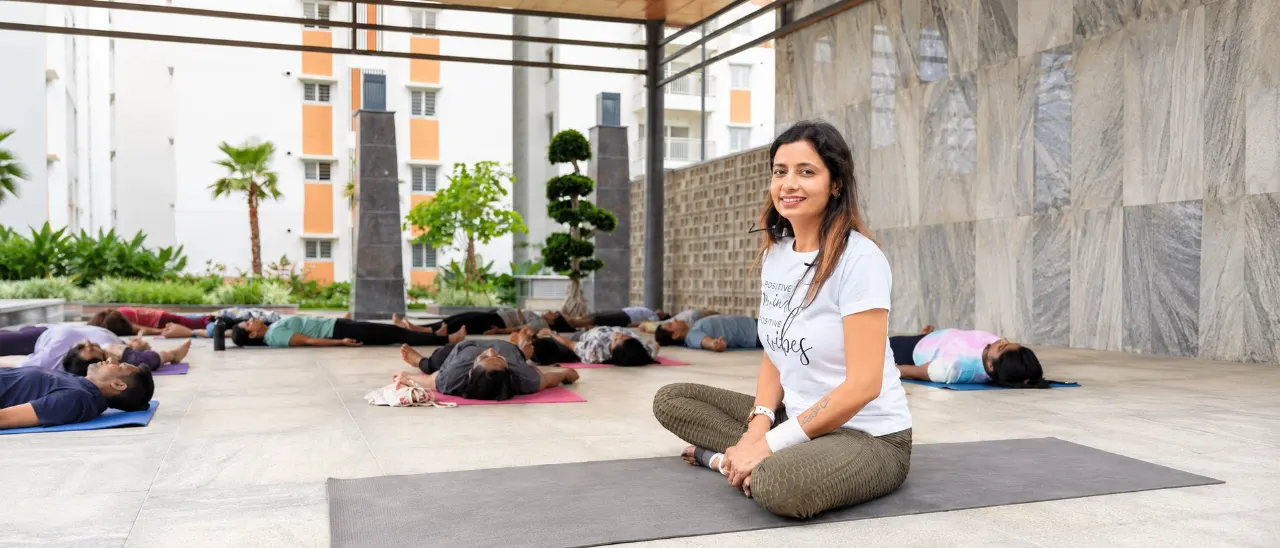
What HR teams get wrong when they start a wellness programme
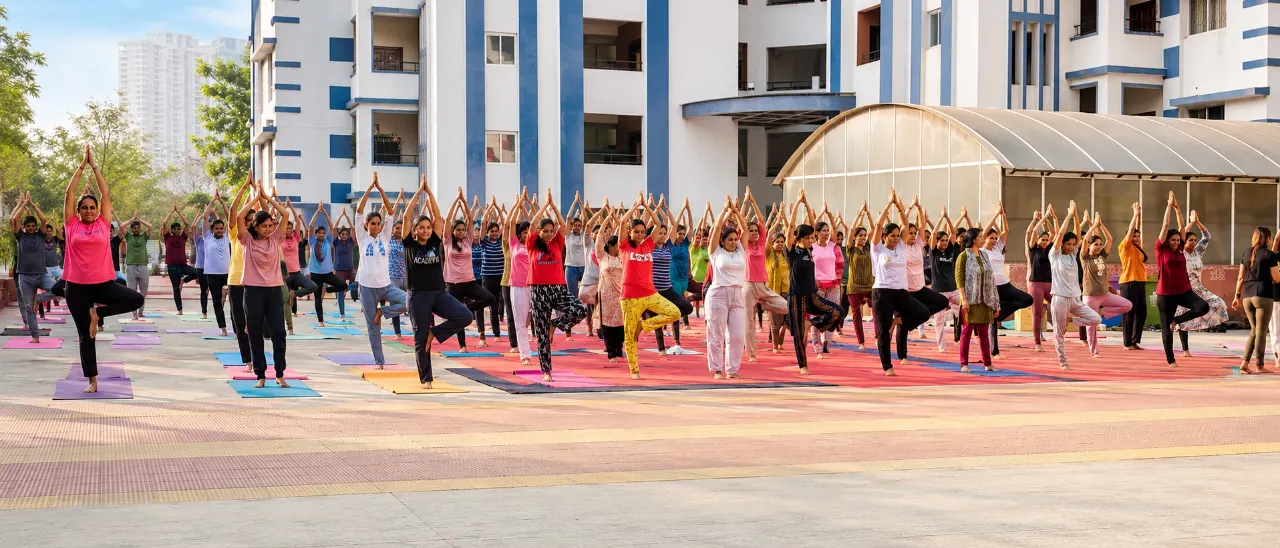
I have watched a lot of well-funded, well-intentioned wellness initiatives quietly die by month three. The sessions were good. The mistakes were made before anyone rolled out a mat.
The first is launching too large. A wellness week with a full calendar generates enthusiasm and no habit. Every programme that has lasted with my corporate clients began the same modest way: one 60-minute introductory workshop, then a decision informed by who actually turned up and what they said afterwards. The small start is not caution — it is how you get evidence before you commit a budget.
The second is the wrong slot. Sessions scheduled at 4 PM lose to client calls every time. Ask your own teams — usually the answer is just before the workday, at lunch, or immediately after log-off, and it differs by function. For shift-based or support teams it may need two batches. Getting the slot right does more for attendance than any amount of internal promotion.
The third is treating it as one homogeneous audience. Your new joiners in a training programme, your engineers who sit for eleven hours, and your leadership team have genuinely different needs. One of my longest-running engagements is at a bank training centre, running through new-joiner training weeks specifically — the cohort is captive, the timing is already blocked, and it lands because it fits their reality rather than a generic template.
The fourth is measuring the wrong thing. Headcount at session one tells you about curiosity. Retention at session six tells you about value. Sustained participation, honest short feedback, and whether people repeat anything on their own — those are the numbers worth reporting to leadership.
The fifth is making it mandatory. Compulsory wellness is a contradiction, and it produces a room of people waiting for it to end. Voluntary, well-timed and genuinely useful fills itself, and it does so more slowly and far more durably.
The last one is subtle: expecting the vendor to know your organisation. I can bring fifteen years of practice, but you know your shift patterns, your seasonal crunch, your floor plan and the reason last year’s attempt fell over. The programmes that work are planned with HR, not delivered to them.
If you are at the start of this, do the unglamorous version. One workshop. A slot your people chose. An honest look at who came back. Build from there — that is how a wellness programme survives its first year.

Founder of MindBodyZen. Certified yoga, fitness, Pilates, calisthenics, meditation and corporate wellness consultant with over fifteen years of practice — 1000 RYT (Yoga Alliance), Personal Trainer Level 4 and Advanced Diet & Nutrition certified. She works with corporate teams and private clients in Hyderabad, onsite across India, and online.